


In January I spent three days in a room full of teenage girls learning to code. By the end of day three, an eleven-year-old was presenting her app on stage. She’d never written a line of Swift code when she walked in. I’m not sure I’ll stop thinking about that for a while.
During the January school holidays I volunteered as a mentor at SheHacksSwift — a three-day hackathon for high school girls and gender diverse students run by Girl Geek Academy at Apple’s offices in Sydney and Melbourne. My wife Sarah is the CEO and co-founder of Girl Geek Academy, so I’ve been adjacent to this work for years. Actually showing up to do it myself was a whole other level.
What the event actually is
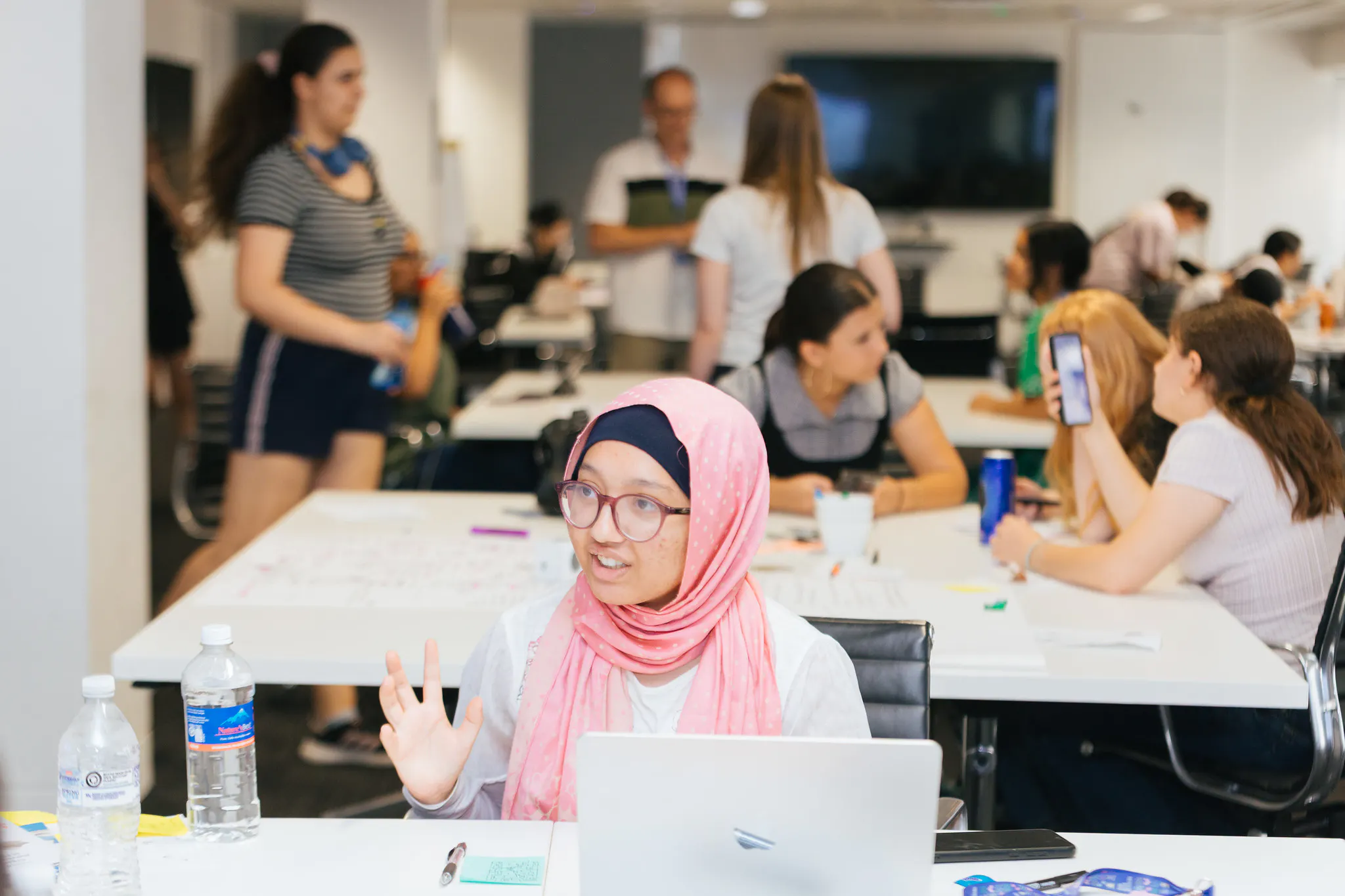
The program makes no assumptions about skill level - any teenage girl can apply if they want to learn how to use Swift (the language used to code for Apple devices).
Most girls had never touched Xcode, some girls had barely even used a Mac. Others were returning to the program for a second year, with ideas already half-formed. Apple provided loaner MacBooks for participants who didn’t have their own (or had older devices) because not every family can afford to keep their kid’s hardware current enough to run the latest development tools.
While the focus is on learning coding, Girl Geek Academy bridges the gap in learning to code by highlighting the different roles coding is useful to.
Hackers, Hustlers, and Hipsters: the technical people, the organisers, and the designers all benefit from learning how code works and what sits behind making an app work even if not everyone winds up being an engineer. This opens up the reasons why someone might learn coding in the first place without putting the pressure on them to commit a whole career to it before they've even started!
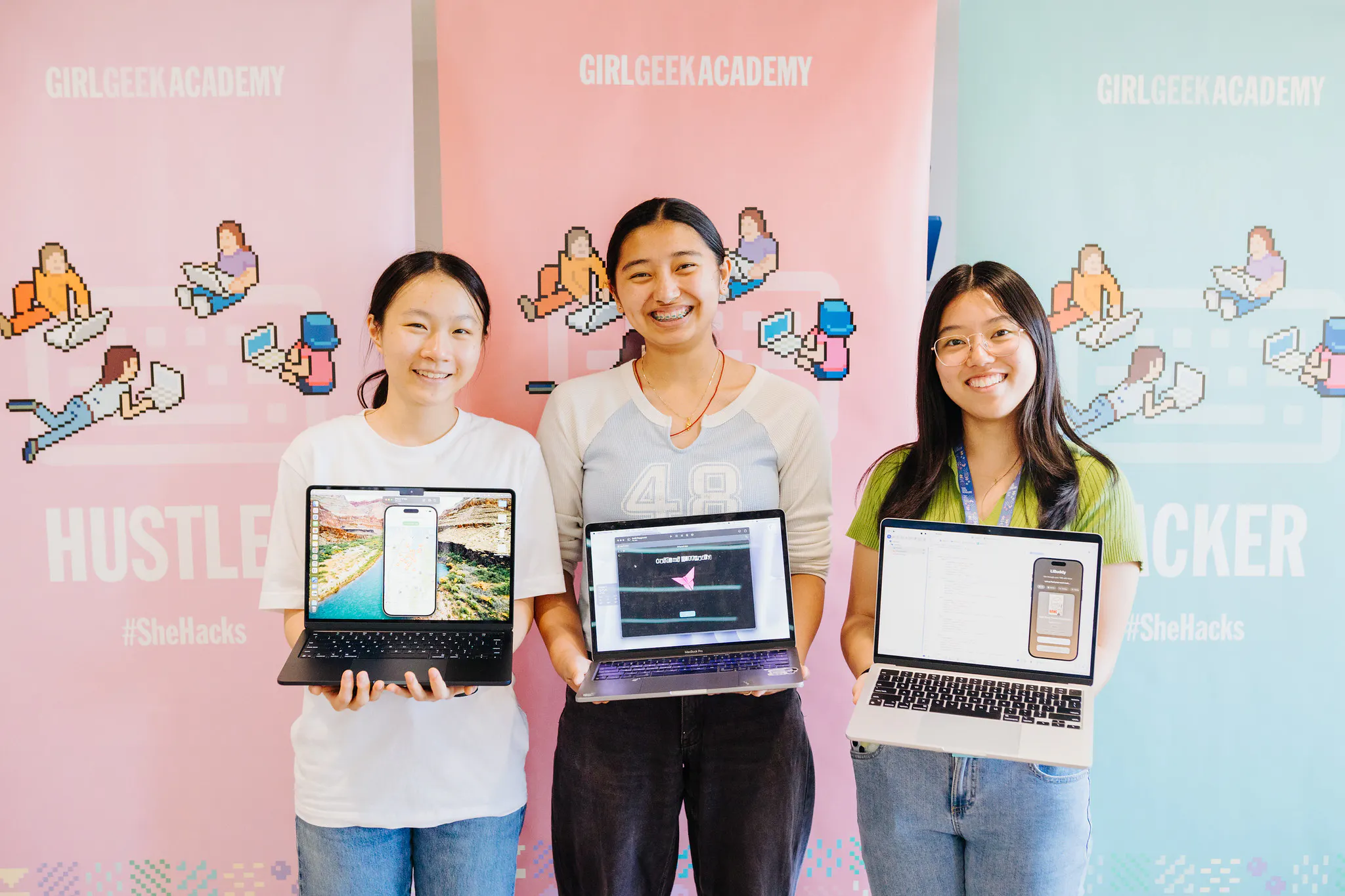
A key component to the program is making sure young girls make friends with other girls just like them. There's a focus on building friendships as much as building code because if coding takes your interest it helps to have friends who are equally passionate to help you after the event is over.
A hackathon is the perfect way to form friendships fast.
What I got wrong, at first
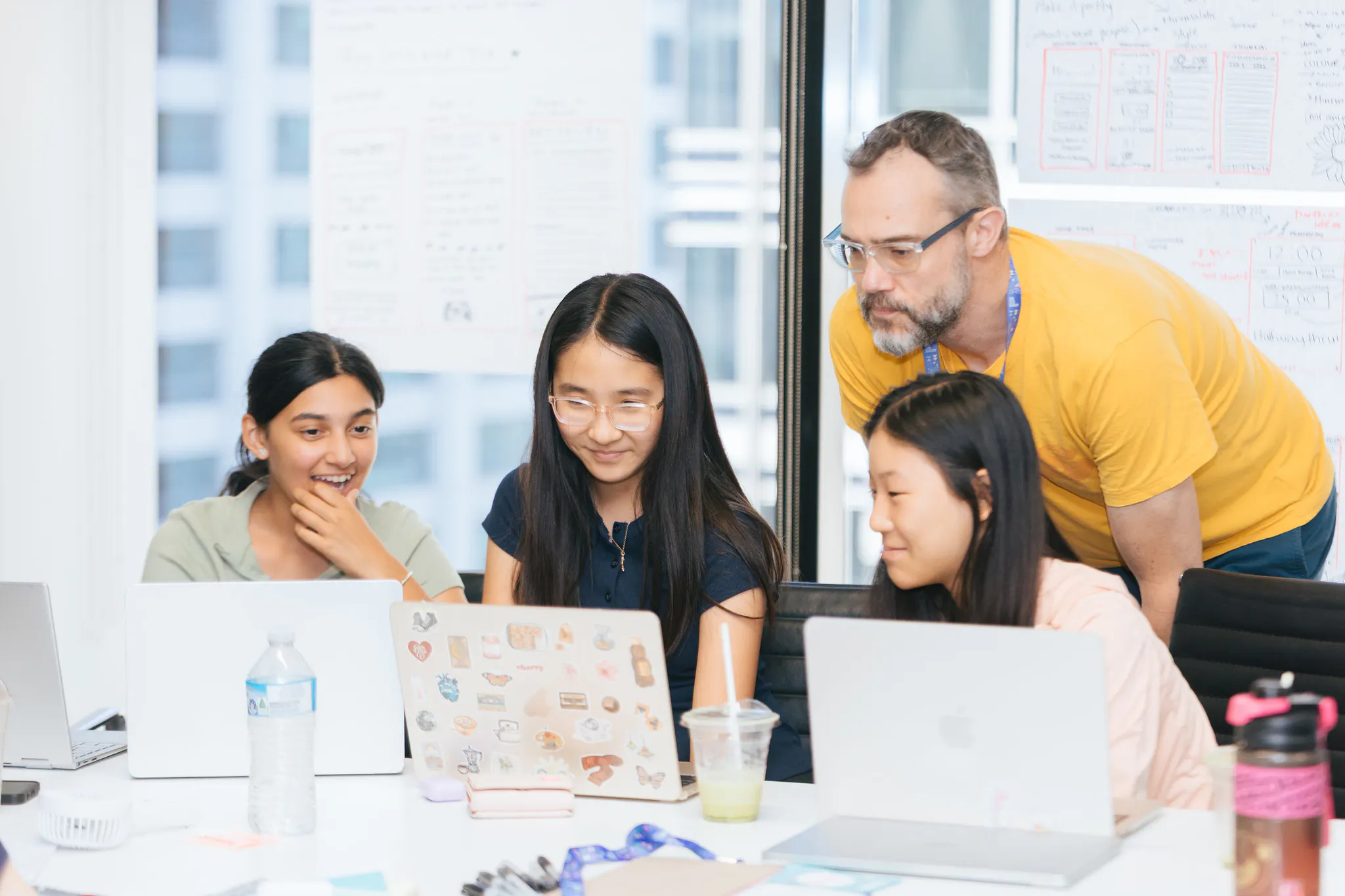
My first instinct, every time a team hit a wall, was to solve it. I’ve been writing software for a long time. I can see the problem. I know the fix. The temptation to just do it is real.
That’s exactly wrong. The moment you take the keyboard away, you’ve short-circuited the thing they were actually there for. The goal isn’t a finished product — it’s the experience of building it themselves. Once you unblocked them they would just plow ahead. I was constantly surprised at how little help they actually needed.
One team (surprising me by using GitHub) had made a mess of their git repository after a well-meaning mentor suggested they try branching. I helped them sort it out, stepped back, and within ten minutes they were back in action using their version of trunk based development. One of the girls even had a bunch of keys missing from her keyboard. It wasn't slowing her down.
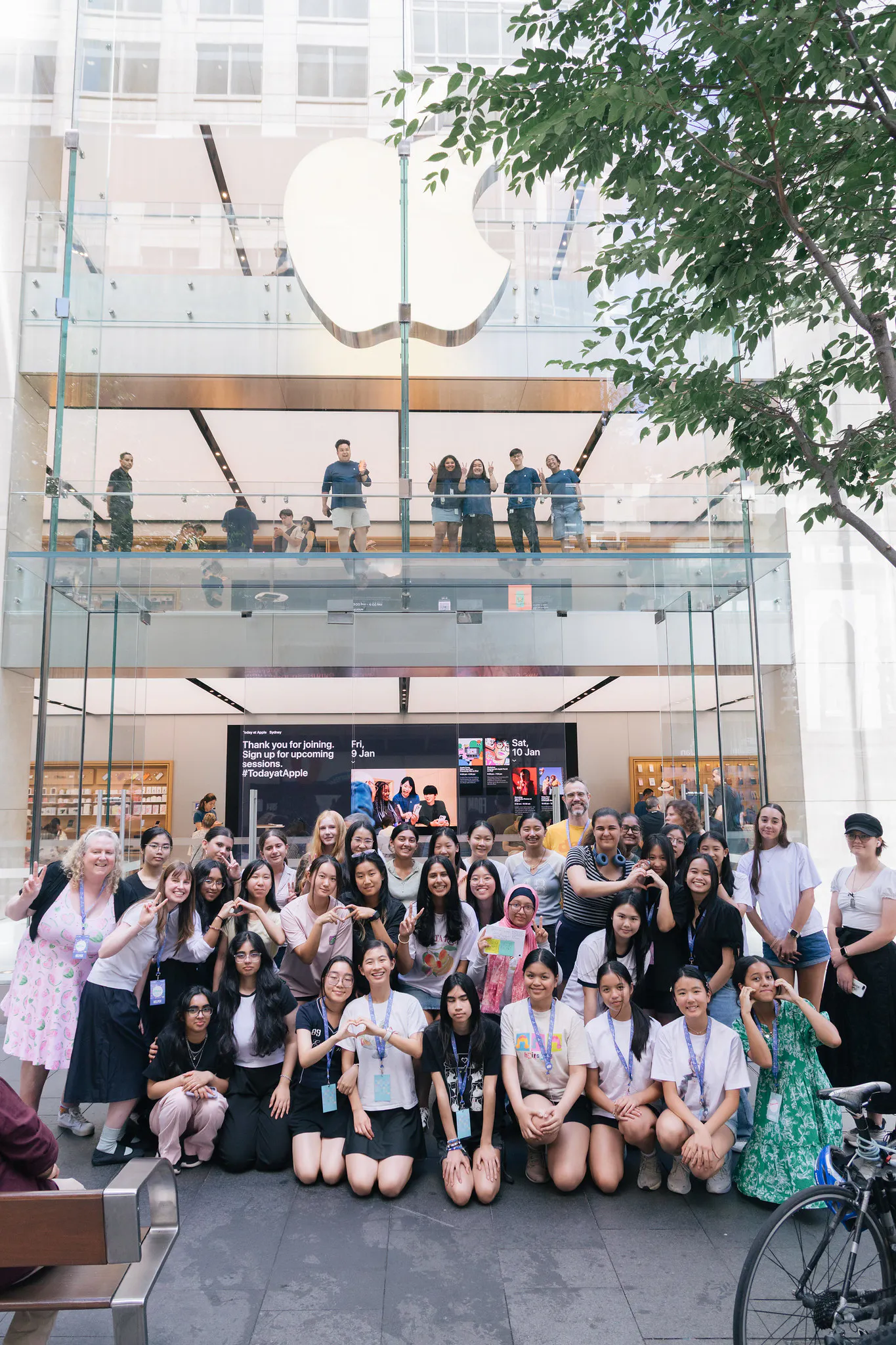
The other thing SheHacksSwift asks of mentors is to respond with ‘yes, and’ to build on enthusiasm rather than deflate it. That’s genuinely hard for engineers. We’re trained to find edge cases, question assumptions, and pressure-test ideas before committing to them. In a learning environment that instinct can be counter productive.
You can see every flaw in the plan but you say nothing and watch them run toward it anyway. Sometimes they figure it out themselves. Sometimes you help them focus on what’s actually achievable in three days. Either way, the enthusiasm survives.
Apple's Swift Student Challenge
Apple runs the Swift Student Challenge each year, inviting students to submit an original app playground for a chance to be recognised and potentially invited to WWDC.
By the end of three days the SheHacksSwift students know what Swift is, they’ve shipped something, and the idea of entering something in the Swift Student Challenge feels a lot more possible than it did on day one.
One of the ways girls can celebrate what they made is to enter it into the Swift Student Challenge and this goal gives them a reason to keep working on their apps after the 3 days.
Get involved in SheHacksSwift and help increase the number of women mobile developers
SheHacksSwift is a three-day program, deliberately structured to fit within the corporate volunteer leave most organisations already offer. Girl Geek Academy provides the training to mentors so they feel confident working with young people.
While your technical skills are genuinely useful, I personally got a lot from reconnecting with the passion that got me into coding and witnessing others experience the same unbridled enthusiasm I had as a student learning something new.
If you want to get involved and volunteer with SheHacksSwift, or suggest the program to a young woman you know, reach out to Girl Geek Academy at [email protected] or visit girlgeekacademy.com/shehacksswift.
The next events are currently planned for school holidays in January 2027.