


This month Brisbane CocoaHeads did something we’d never done before: we collaborated with Melbourne Cocoaheads and Sydney CocoaHeads to make International Women’s Day the focus.
Multiple speakers across multiple cities, with the IWD-themed talks all connecting in some way to the question of what it actually takes to get more women into tech and keep them there.
Brisbane and Sydney, connected
Brisbane CocoaHeads meets monthly at the Mantel Group Brisbane Hub, but this month Entain Group in Bowen Hills was hosting. Adam Wareing, who works at Entain and co-organises Brisbane CocoaHeads with me, handled the venue and a good chunk of the logistics on our end. Mantel Group sponsors and hosts Cocoaheads meetups in Brisbane and Melbourne. Sydney was hosted at Bilue in the CBD, with Zach Simone coordinating from that side. The two events ran simultaneously, connected via YouTube Live. It took some extra work, but it came together well.
SheHacksSwift: getting girls building
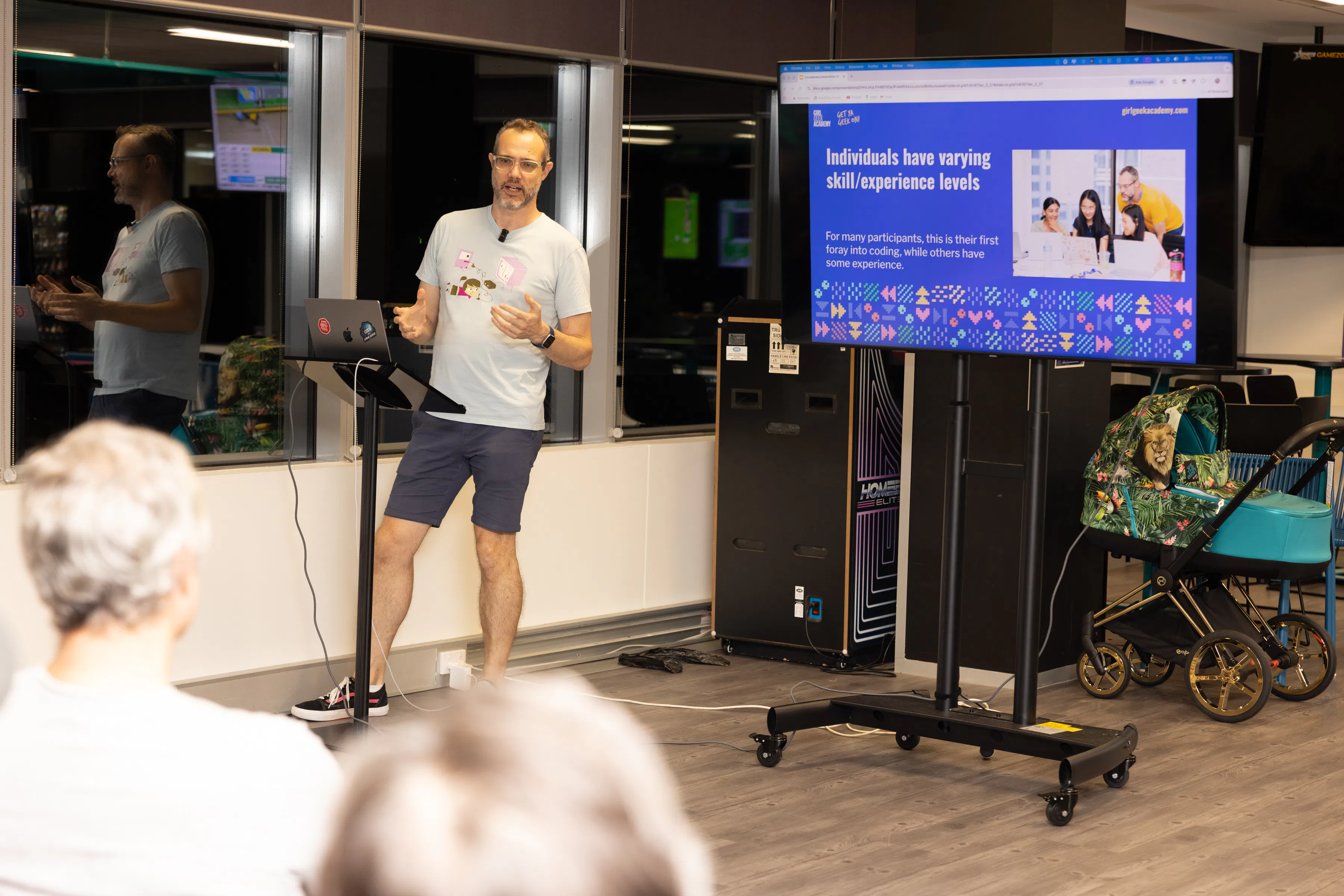
On the Brisbane side, I spoke about SheHacksSwift (a three-day hackathon for high school girls and gender diverse students run by Girl Geek Academy) which I volunteered at in January. My wife Sarah is the CEO and co-founder of Girl Geek Academy, so I’ve been close to this work for years. Actually showing up as a mentor was different.
The short version: an eleven-year-old with no coding experience walked in on day one and was presenting her finished app by day three. I’ve written that story up separately.
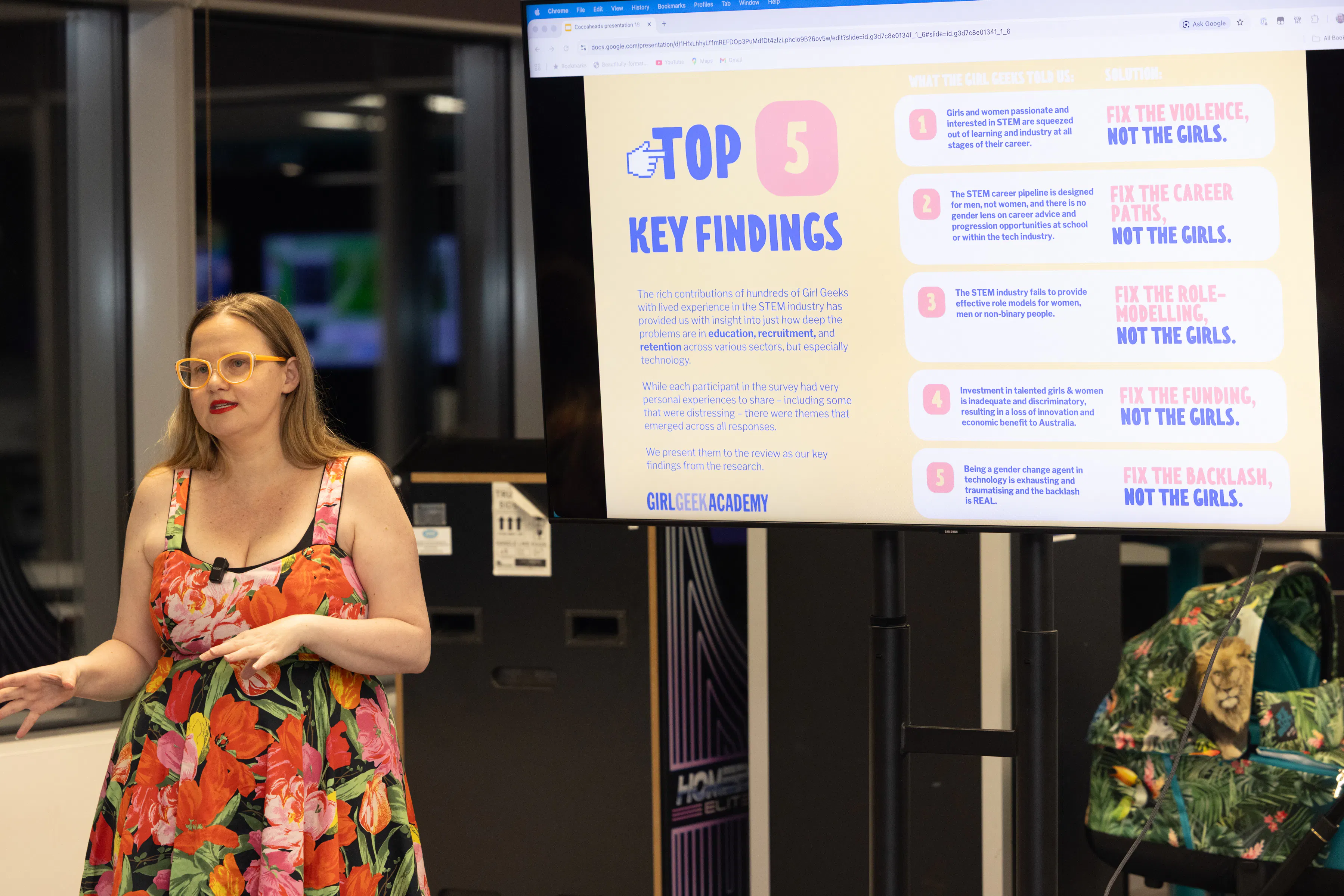
Sarah Moran: fix the system, not the girls
Sarah has been making this case in rooms like this one for years. The goal wasn’t to depress the room with statistics; it was to give the developers in it some concrete things they could actually do.
Sarah learned to code at five years old on an Australian MicroBee computer. She was the first girl at her high school to enter programming competitions. Then in Year 10, she built a pink website. She was told it was supposed to be grey. That was the signal: this isn’t for you. She switched to legal studies.
“I still didn’t find my way back to tech in the way I could have if it had been nurtured from the very start.”
She found her way back. But the point of that story isn’t the happy ending; it’s that she shouldn’t have needed one. It’s rarely a single dramatic moment that pushes women out of tech. It’s the accumulation of small ones. The grey website. The comment nobody pushed back on. The room where you’re the only one.
Two years ago, when the federal government launched a Diversity in STEM review, Girl Geek Academy submitted detailed policy recommendations. They were largely ignored. So the work continues anyway.
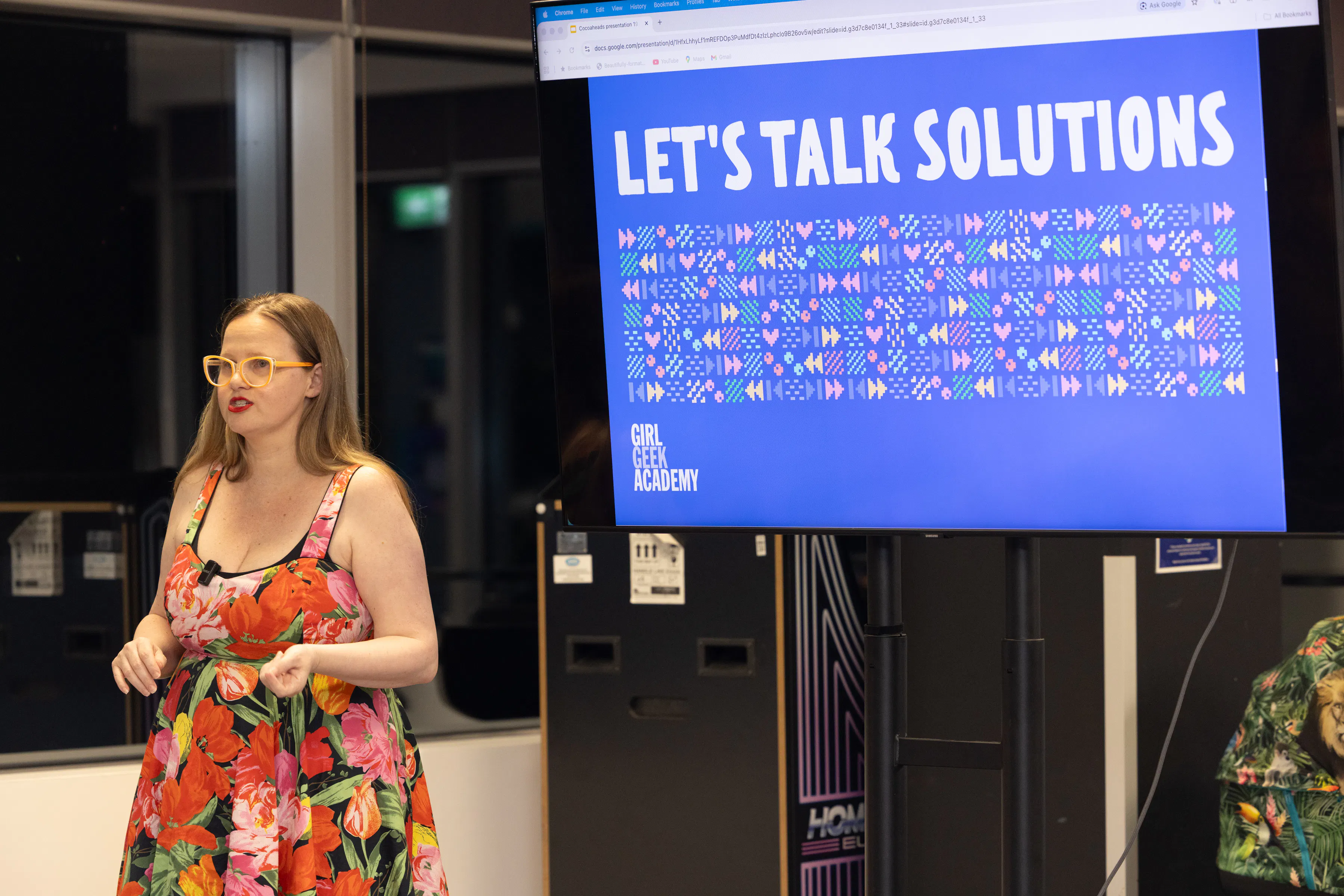
Sarah’s frame: we need to fix the system, not the girls. The enthusiasm I saw at SheHacksSwift, girls who’d never written a line of code, building and presenting apps in three days, makes the point plainly. Girls aren’t uninterested in tech. They get pushed out of it.
The push-back happens in small ways. Someone says something off in a meeting and nobody responds. A woman makes a point and gets talked over. Sarah’s ask to the room was simple: if you see that happen, say something. You don’t have to make it a confrontation. You just have to make clear it’s not okay. As she put it, we don’t need safe spaces; we need brave spaces.
On budgets, she was direct: if your company says it cares about diversity, ask where the line item is. The standard approach, of asking women to volunteer to fix the “women in tech problem” on top of their actual jobs, isn’t a strategy. And on targets: set them. They work. If you aim at nothing, you hit it.
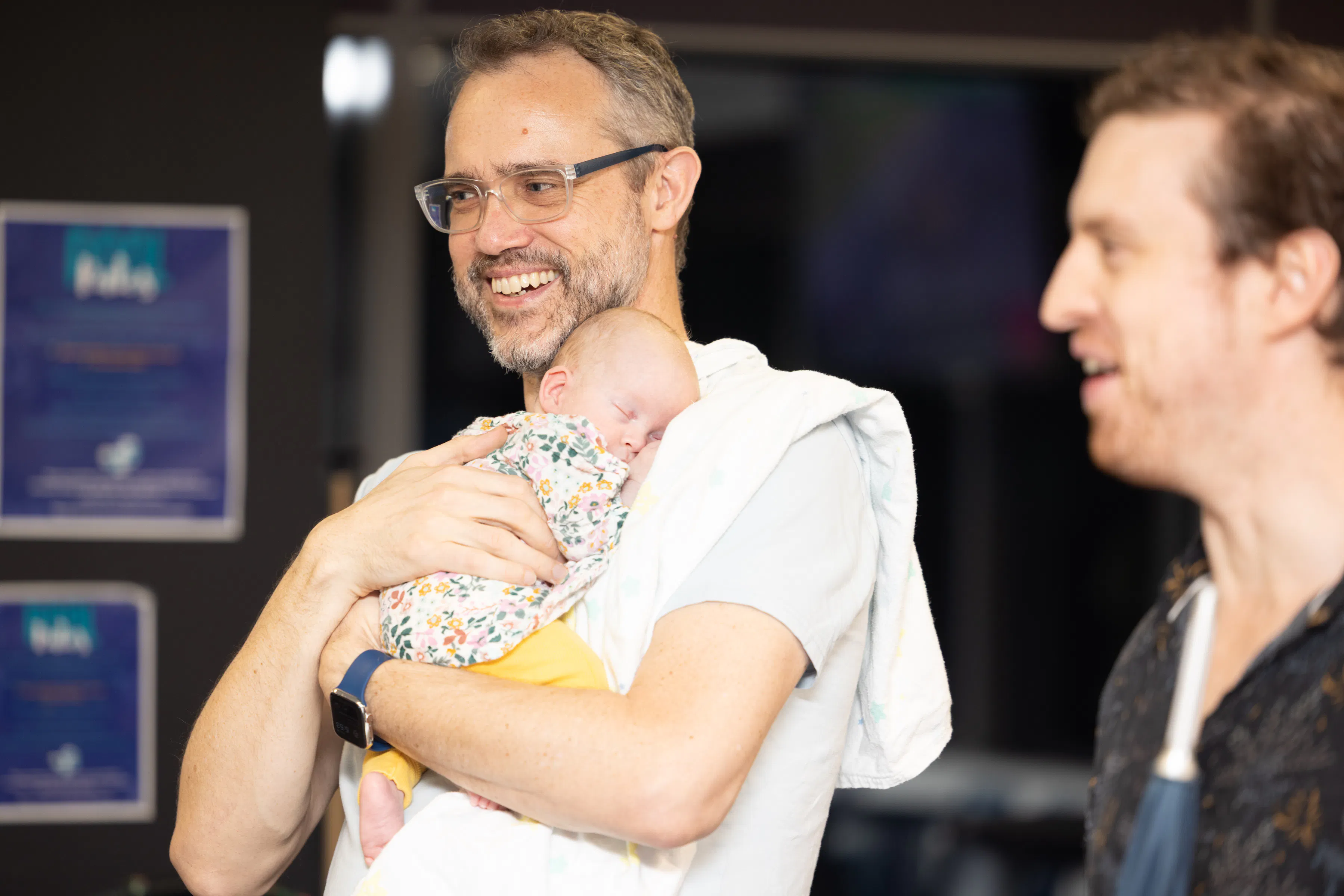
Sarah and I were at the Brisbane event with our two-month-old daughter Pixelle (her first tech meetup). She slept through most of it, which I’ll take as a sign she felt at home. Sarah closed with questions I’ve heard her ask before, but sitting in that room with Pixelle, they landed differently:
“What would the internet look like if there were more women building it? How would our apps look different? What problems would be solved that aren’t being addressed right now?”
Wei (Lene) Huang: the story you tell
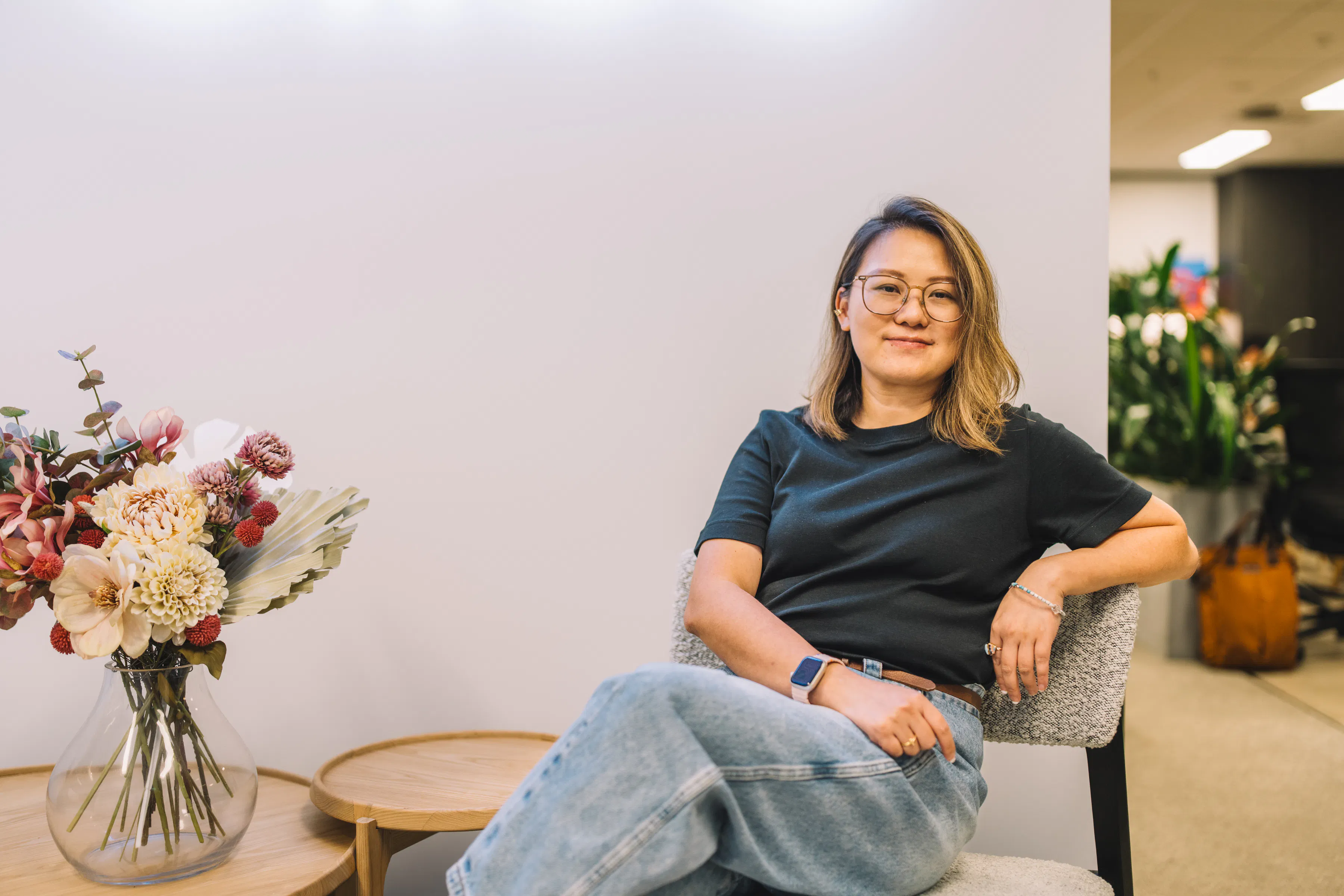
Wei Huang is a Principal Engineer at the ABC, where she works on distributed systems and content infrastructure. She’s been in the industry for twenty years, has led mobile engineering teams across iOS and Android, spent part of her career in a locked room at Sony working on software for an unreleased phone. Her talk was called Storytelling in Engineering.
The most memorable part was a story about four ageing Mac Minis in the ABC’s Sydney office. For years, every iOS and Android app at the ABC was built on those machines. Compilation took an hour. If you pushed bad code, you’d find out the next day. Wei had wanted to fix this for a long time, but she knew that walking into her boss’s office and saying "our builds take an hour" wasn’t going to move anyone.
Then in 2023, there was a power outage during a flood event. The machines died. Someone had to ride their bike to the office to turn them back on. Nobody outside engineering noticed; but Wei noticed.
She went to her boss with one sentence: we have a single point of failure. If those machines go down, the entire business stops. Her boss’s response was immediate: "What’s the solution?" And in that moment, Wei had won. She hadn’t asked for faster builds. She’d reframed the same problem as a business continuity risk, and the budget appeared.
“As engineers we often tell the fact of a story. But what’s really powerful is the impact.”
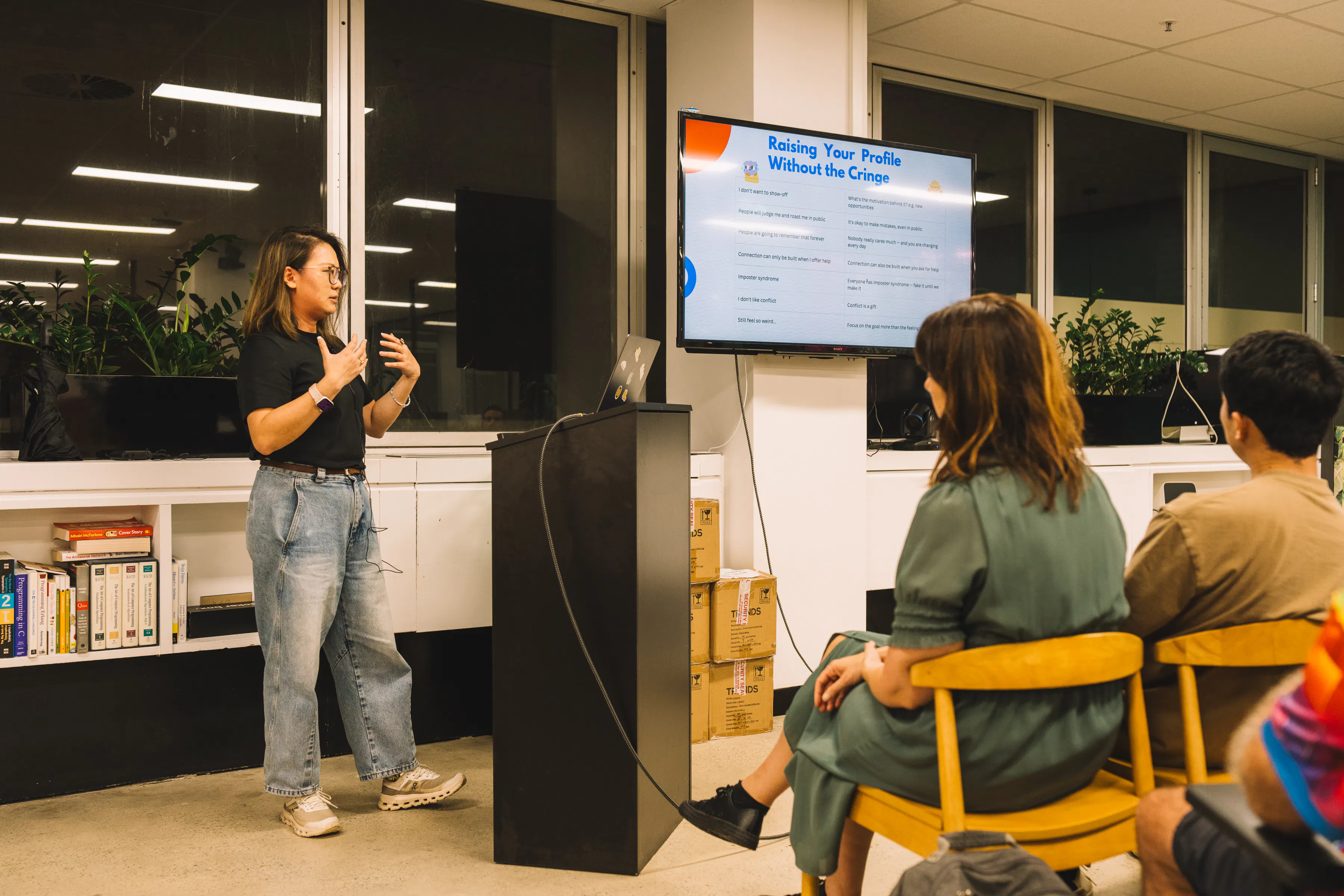
That’s the skill Wei was teaching: not how to write better code, but how to make the work visible to the people who hold the purse strings. She delivered it with the self-deprecating humour of someone who has stood in a room feeling like an imposter and kept going anyway.
“I’m not 100% confident when I was standing here. I’m just faking it [in] the moment.”
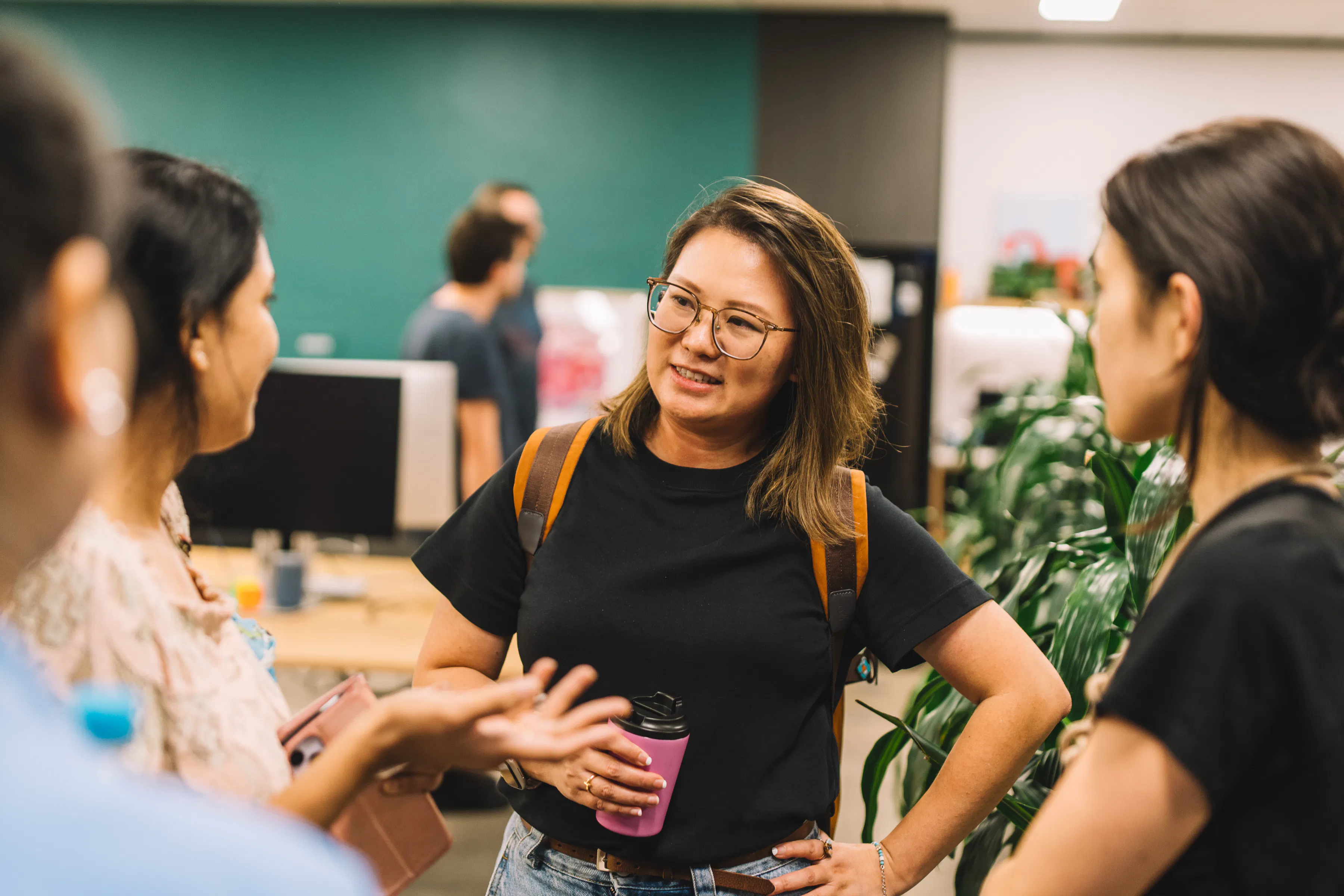
She closed with a direct invitation to the male engineers in the room: when a woman says something in a meeting and gets passed over, say something. Use her name. Invite her back into the conversation. It’s a small thing. The evening kept reminding us it’s the small things that add up.
April Staines and Nabila Hersegovina: the view from Melbourne
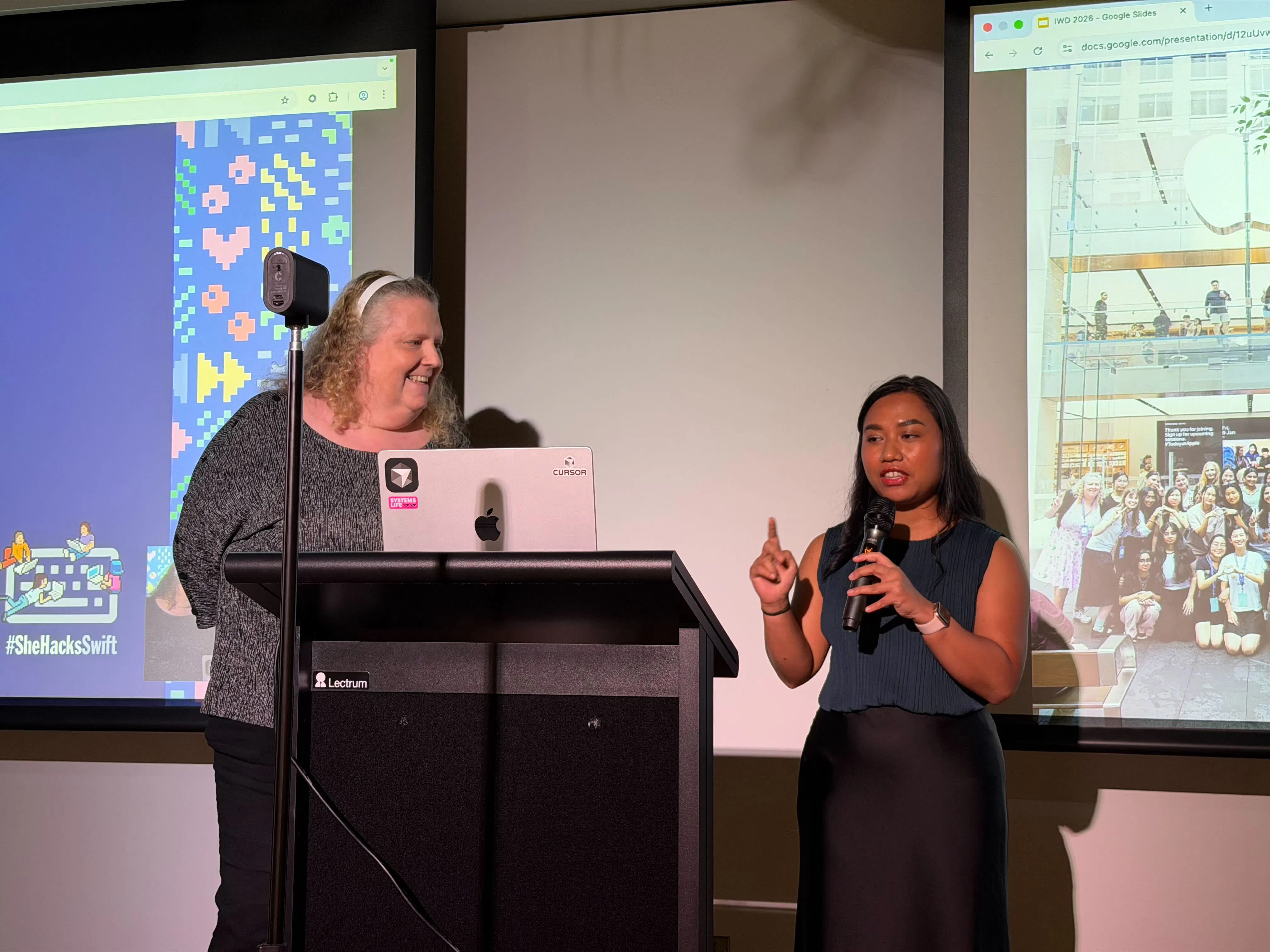
Melbourne CocoaHeads ran their own IWD-themed evening the same month, with April Staines and Nabila Hersegovina from Girl Geek Academy presenting on SheHacksSwift. April is an engineer who’s been in the industry since the 90s. Nabila is a senior iOS engineer who previously worked at Mantel Group.
April has watched the problem up close for a long time. She’s seen women pushed out, experienced some of it herself, and while she’ll acknowledge things have improved in some corporate environments, she’s careful not to overstate it. The death by a thousand cuts, as she put it, is still happening.
Nabila put some numbers to it. When she started her computer science degree, there were more than ten women in her cohort at orientation. By graduation, fewer than five made it through, and she knew personally some of the ones who didn’t, whether they’d dropped out or pivoted to something else entirely. The pipeline problem isn’t abstract when you can name the people who fell out of it.
She also shared something harder to hear. A friend of hers, a mobile developer, working at a large ASX-listed company, experienced sustained bullying and a toxic environment. She took the company to court. She won. And then she left tech anyway. Winning wasn’t enough to make her want to stay.
What Nabila found at SheHacksSwift was something that cuts the other way. A student came up to her during the event and started asking questions, about university choices, about what day-to-day engineering actually looks like. The reason, Nabila thought, was simple: the student saw someone who looked like her, doing the job she was considering. That’s what representation actually means in practice. Not a statistic. A conversation.
A detail worth mentioning
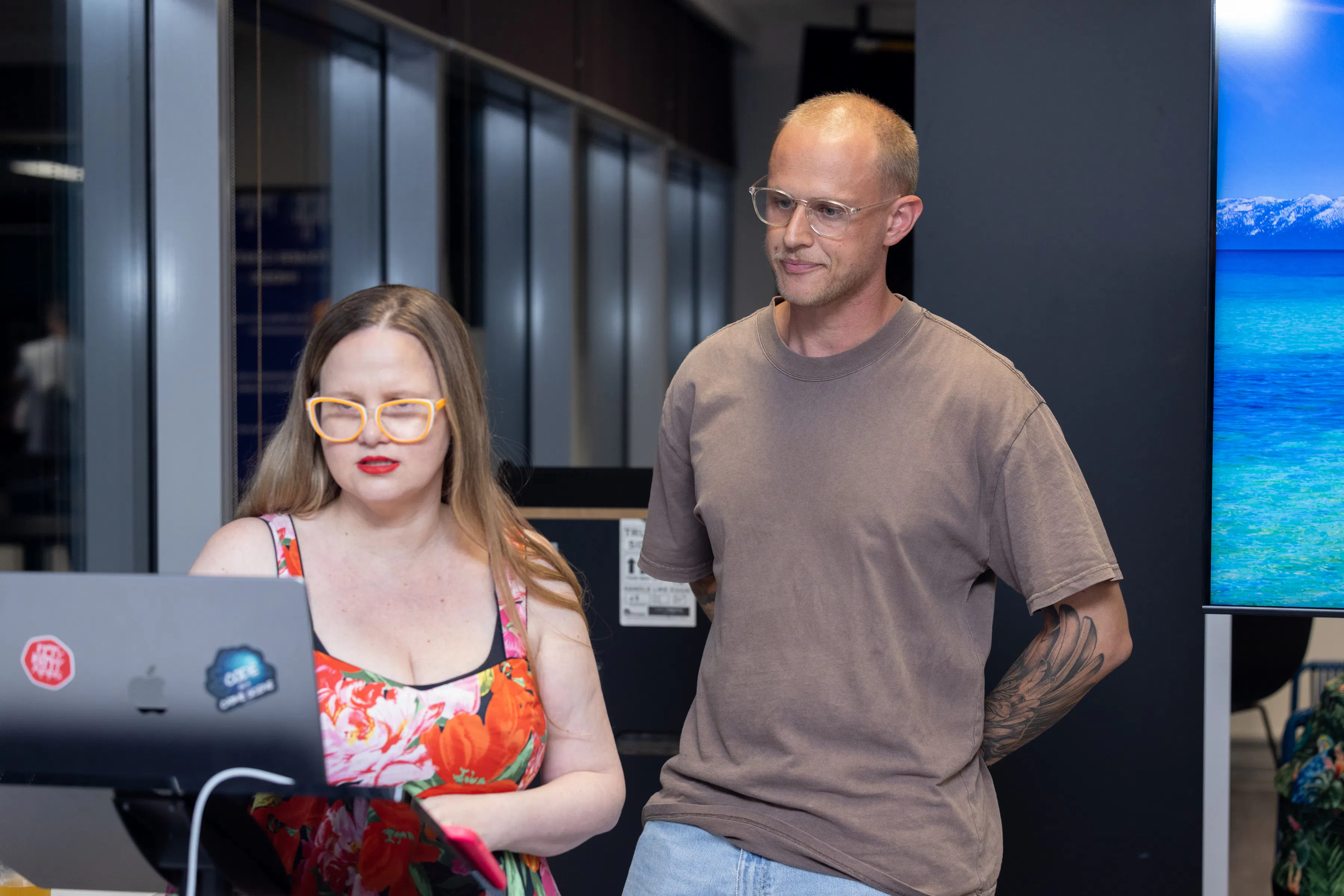
Adam Wareing, Entain iOS Lead Engineer and Brisbane CocoaHeads co-organiser, is a former colleague of Wei’s from their time together at the ABC. That connection is part of how Wei ended up speaking at this event. He championed to get her in the room and both cities reaped the benefits. It’s the kind of thing this community is for.
Come along
Brisbane, Sydney & Melbourne CocoaHeads meet monthly. If you’re an iOS or Apple platforms developer in those cities, come along.
If you’re an experienced engineer with corporate volunteer leave you haven’t used, Girl Geek Academy would love to hear from you. SheHacksSwift runs for three days in January; deliberately designed to fit within the leave most organisations already offer. The next events are planned for January 2027.
SheHacksSwift: girlgeekacademy.com/shehacksswift
Brisbane CocoaHeads: brisbanecocoaheads.com
Sydney CocoaHeads: sydneycocoaheads.com
Melbourne CocoaHeads: melbournecocoaheads.com